City traders are used to making fast and accurate decisions. They look at small shifts in data and move quickly when the right signs appear.
This habit shapes how they deal with other situations that involve risk and reward. When placed in settings where outcomes are uncertain, traders often rely on methods they’ve used in their jobs. These habits make them stand out, even in settings that have little to do with finance.
When the rules are understood and time matters, traders use structure and logic. That is why many city traders perform well in areas where pressure and planning are both present.
Why Timing Becomes a Habit
In trading, timing is not a skill that is picked up casually. It is part of the daily process. Markets move based on many factors: interest rate decisions, company reports, and even press events. Traders learn to watch closely and move when patterns line up with what they expect. They often act before a trend becomes obvious to others. The same habit forms in other settings where the timing of a choice affects the result.
For instance, some online platforms change offers during quiet hours or after specific updates. In this context, people who pay close attention to how offers change over time may notice, as this article on betting.co.uk explains, that some websites compare different kinds of limited-time deals like free spins and seasonal promotions, and this comparison helps them judge where to act. A trader who has spent years tracking price shifts may notice these moments more quickly than others.
Someone who trades oil futures may see prices rise before supply reports and apply the same method to track limited deals that appear near platform refresh times. In both cases, it is about knowing when something is most likely to happen and acting fast but with purpose.
Reading Patterns Without Guessing
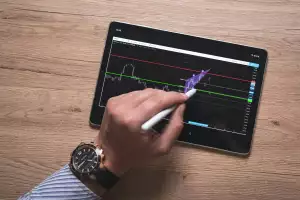
A trader spends hours looking at price charts and movement ranges. This creates a way of thinking where decisions are made based on what has happened before. The approach is not based on feeling or chance. It is about patterns that form again and again. These habits are useful outside the market. When faced with shifting data or real-time results, traders apply the same steps they use in their job.
In a strategy game like roulette, some people notice how certain number groups or color sequences show up in clusters. A trader might track these results over time, not to predict a single spin, but to find moments when patterns deviate or return to a certain range.
In another case, someone might observe how certain actions at a table game influence how others play and then adjust their choices based on that rhythm. They do not need to guess because they have seen enough to know what tends to happen next.
That outlook helps in settings where other people rely on chance. It gives structure to decisions and cuts out random risk. Instead of hoping for the best, traders rely on facts and repeated signals that match their expectations.
Planning Ahead Like a Trader
Good traders always follow a plan. Before entering a position, they set clear points where they will act. That might mean setting an exit level or checking specific data before making a move. These rules stop them from reacting too quickly. They also avoid taking action when the situation is unclear. This kind of structure is not only used in trading. It shows up when skilled people approach any timed or limited option.
One person may track when certain bonuses appear across the week and only act during proven high-value windows. Another might keep a log of past offers from different places and compare the details before choosing. These are not random choices. They are actions based on tested ideas. Just like in trading, a person avoids acting unless the offer meets the rules they set ahead of time.
Planning means not being caught off guard. A trader knows the hours when the markets are active and the moments when false moves are common. In the same way, a player knows which periods have the most value or which terms apply to the offer. That level of planning changes the outcome in the long run.
Recognising Small Details That Matter
Traders train themselves to spot small shifts that others miss. This could be a slight move in volume, a change in trend strength, or a pattern that repeats after specific reports. Over time, this habit becomes natural. These same traits show up when they move into settings where small differences create real outcomes.
Someone might track how one site posts its offers earlier than others, giving them a small edge in acting first. Another person may notice that certain bonuses only appear under precise settings, such as region or time of day. This is similar to how a trader would scan for price differences across platforms or react to delay patterns after news breaks.
It is not just about seeing a deal. It is about knowing why that deal might have more value based on the situation. A quick check of the terms or a review of past trends gives them the full picture. This habit of checking small details before acting makes a difference, especially when the moment to choose is brief and the options are limited.
Staying Objective in Fast Environments
One major advantage traders have is their ability to stay calm when choices must be made quickly. They are used to price shifts, breaking news, and data that can change in seconds. They learn not to act based on emotion. Instead, they look for proof before moving. That habit is hard to teach but becomes automatic with enough experience.
In a fast digital setting, someone might see a pop-up offer or a flash deal. The average person may click without checking. A trader, though, looks for the real value. They might scan the offer terms, look at the odds, or check if this deal appeared in the past. This brief pause often makes the outcome better.
A similar case happens in person when people act on signs or cues from the crowd. A trader notices if that action is part of a trend or just noise. They are used to filtering signals from distractions. That lets them make more focused moves without second-guessing. Staying calm, even in a room full of noise or on a site full of flashing choices, is a skill that sets them apart in any high-pressure setting.
Where the Games Reflect the Method
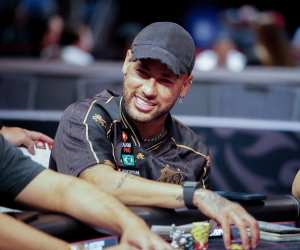
Some games reflect the same mindset that traders develop over time. One clear example is poker. Success in poker is not based on luck alone. It depends on how well a person can read the situation, weigh the odds, and choose the right move at the right time. Traders do the same when they check for signals and wait for confirmation before entering a position.
In both cases, the outcome improves when the person has seen similar patterns many times before. The more they understand what each signal means, the more likely they are to make the right move. Roulette offers another angle. While it is often viewed as chance-based, some people use controlled strategies to manage their choices. They may not influence the outcome, but they decide how and when to place their bets based on observed outcomes or certain patterns.
Traders apply similar methods when they adjust their exposure during different market conditions. They can’t control the market, but they choose when to take part based on what they see. There are also more structured games where strategy leads the way.
Final Thoughts
Traders and players may often seem like they’re doing the same thing: working under pressure, watching for signals, and acting at the right time. The habits can look alike from the outside. Both use structure, rely on timing, and benefit from a clear plan.
But the goals and settings are different. In trading, the focus is on long-term patterns and real-world data. In other situations, decisions are shaped by fixed rules and preset conditions. Someone who trades for a living brings skills that help when faced with time-based decisions, but they also know that not all systems behave the same way.
What works in one space may not work in another unless the person adjusts their method. That is where the difference lies: not in the action itself, but in how each environment works.