If you’re a little in love with the English countryside, maybe it’s time to be inspired by the grandeur of historical houses and humble farmhouses for your next design foray. Happily, you don’t need a view of rolling paddocks or an address ending in ‘shire’ to achieve it.
I love the rustic fantasy of mismatched mugs in a cosy kitchen and a rambunctious beagle beside the Aga, but the modern country ideal is so much more than that.
It’s about balance: between the inherited and new, between weathered comfort and considered elegance.
If you’re looking to master the art of substance and subtlety for your home, here’s how to draw inspiration for authenticity without affectation.
A RURAL EDIT
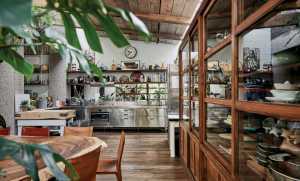
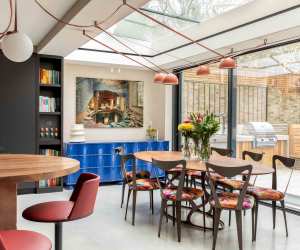
Antique cabinetry ensures more modern finishes feel harmonised in Ben Pentreath’s contemporary take on a rustic kitchen.
Whether it’s an 18th-century rectory, a Grade II-listed manor or a new build with ambition, what matters most is proportion. Classical principles of symmetry, a strong sense of axis and a coherent use of materials do heaps of the heavy lifting when it comes to creating visual calm and cohesion for your build, regardless of age.
Clear rhythm to windows and doors, generous ceiling heights, framed entrances, and materials that feel connected to their setting really are typical of the ‘country pile’. Slate, stained glass, lime-washed render, worn brick and oak beams all contribute to the feeling of permanence and artisanal excellence so often found within a country house.
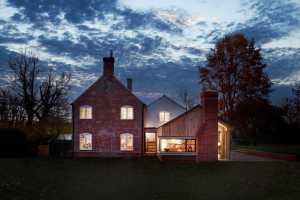
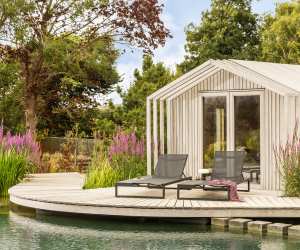
A timber-clad extension with ribbon windows offers sympathetic visual contrast in this design from Holland Green.
Whether you’re dealing with inherited architecture, or maybe you’re introducing something new, alignment isn’t always the answer: contemporary interventions to a heritage home such as steel-framed rear extensions, a copper-clad garden room, or a frameless glazed annexe can modernise the design narrative without disrupting the overall plot, despite being more associated with contemporary living spaces.
Architectural studio Holland Green has extensive experience in renovations that offer contrast with purpose. As Stephen Green, partner of the long-established firm, points out: “Our approach is collaborative and deeply contextual. We research the building’s history, setting, and original materials to ensure any intervention feels sympathetic and intentional. Modern extensions should offer a clear identity – through contemporary lines, glazing, or materiality – while maintaining a dialogue with the existing structure.”
HIS QUIET MATERIALS
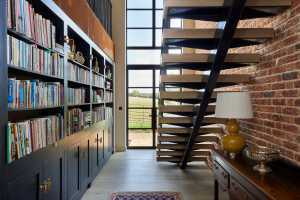
Holland Green introduced a staircase and library wall to draw the eye through to views of rolling hills beyond.
The best interiors of a modern country house tend to feel collected rather than composed. There’s depth, texture and confidence to everything, based on a life well lived and a world explored. Whether in the city or the shires, colour palettes should fall outside of trend for the most part. Often earthy, sometimes jewel-like but never dour: nettle and forest greens, chalky whites, faded ochre, salmon and clay pink, every shade of blue the sky can offer. A palette that’s timeless enough to survive a decade without regret, that can transcend fad and fancy.
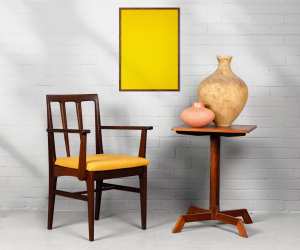
Natural materials are the through-line here too: oiled oak, hewn stone, aged brass, crafted iron, rich linen and hand-thrown ceramics, alongside traditions of carving, weaving, thatching and tanning. If it wears in rather than out, it’s a good place to start.
And no, investment in oils, antique rugs, ceramics or artisanal lighting isn’t a prerequisite to the country aesthetic; though they do tend to bring something extra to the conversation – quite literally, if you can create some collections of note. Art – with a contemporary scale and format – is a clever way to modernise spaces.
If you’re looking for inspiration, Ben Pentreath offers a masterclass in colour and balanced material palettes. The renowned architectural designer and interior decorator has worked on projects for the Prince and Princess of Wales – including their Kensington apartment – meaning he’s no stranger to blending modern with heirloom. Pentreath neatly describes his use of a “mélange of accumulated generations of furniture”.
An English country interior should be less matching, and more belonging. You can layer in the modernity and change it up if you feel the need for freshness.
THE URBAN PASTORAL
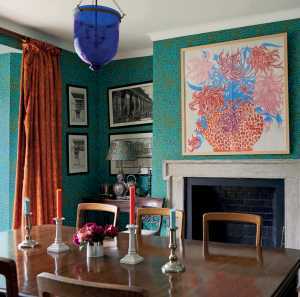
Ben Pentreath’s book, An English Vision, offers a distinctive approach to colour, as shown here.
If you’re city-centric, there are some simple rules for introducing a slice of the countryside to your home. In the kitchen, avoid sterile workstations, opting instead for open shelves or glazed cupboards to make your space feel less monolithic. And pantries – even tiny ones – give utility a little theatre. Even the Aga now offers the ERA model, if you want a sense of the cottage kitchen without the hassle.
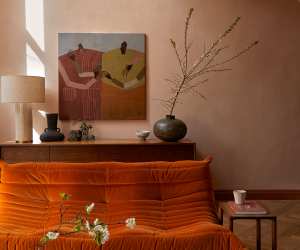
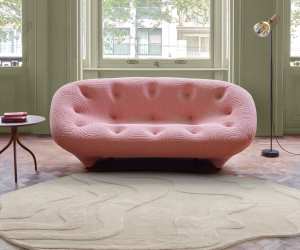
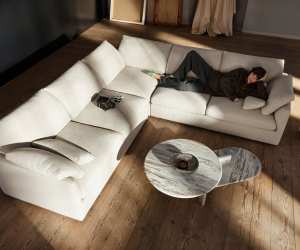
And elsewhere, think in layers: books, cushions, throws, lamps, art. Sofas should invite slouching, and armchairs should work just as well with a novel as with a negroni. Overall, aim for a mix of styles and eras; an ancient chaise here, a beaten-up leather club chair there.
In the bathrooms, look for understated, indulgent, and warm. Natural stone, Zellige tiles, burnished nickel with a slipper bath, if there’s space. Reclaimed furniture repurposed as vanity units brings history back into the mix. Don’t obsess about perfection. Imperfection is charm’s twin.
It doesn’t matter if you’re in Zone 2 or Somerset, the same principles apply: create with intention, use materials with integrity, and don’t rush the process. Let layers build. Let patina develop. The best country homes – like the best hosts – feel entirely comfortable in their own skin.
Find out more at benpentreath.com and hollandgreen.co.uk