Greater London plays host to one of the most underrated concentrations of world-class golf anywhere on the planet. It may not have the heritage of Scottish links or the sheer volume of quality American layouts, but somehow confined within the asphalt tendrils of capital suburbia is a swathe of heathland purity, manicured parkland and exclusive members clubs vying for your green fee.
London’s melting pot of diversity spills into its golf course scene with Open qualifying venues and centuries-old design pedigree, as well as more modern layouts rubbing shoulders with metropolitan life. The question of how one should categorise golf as being ‘in London’ is one that has occupied writers’ thoughts longer than perhaps it should, but here at Square Mile we subscribe to the definition of anything inside the M25 corridor (with, perhaps, the odd leniency). It seems to us a little more concrete than an arbitrary distance or travel time.
From one of the oldest golf clubs in England to sandy, pine-scented fairways, there’s no need to travel far when these golfing greats are on your doorstep.
The Addington
The Addington
The Addington
The Addington

The Addington

The Addington
The Addington
The Addington
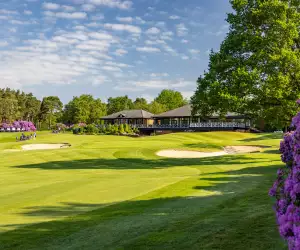
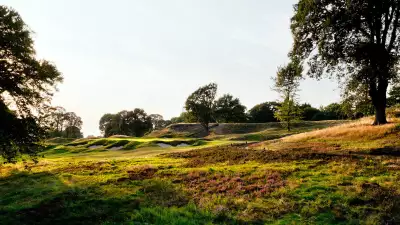
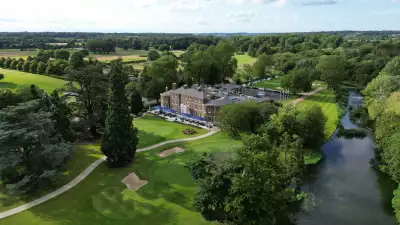
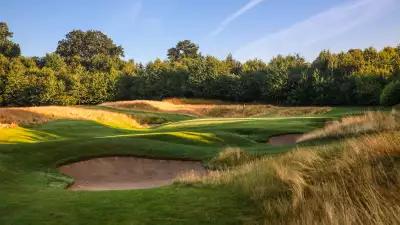
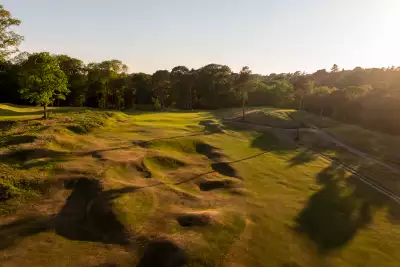
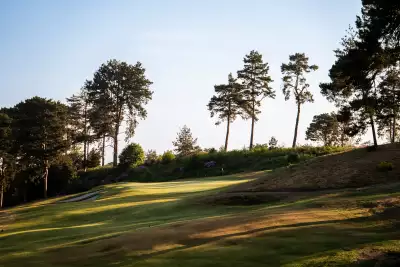
In the last decade, there might not be a course in the country that has generated more excitement among the golfing community than The Addington. Founded in 1913, the Golden Age heathland layout is believed to be the only example in the world known to have been designed as a joint venture between JF Abercromby and Harry Colt – two of the defining figures of early 20th-century British golf architecture. That alone should be enough to pique your interest, but this story is also one of rebirth.
In 2019, new managing director Ryan Noades commissioned architectural firm Clayton, DeVries & Pont to begin an ambitious restoration, with the aim of returning the course to the lofty standards of its heyday. That work is ongoing and already transformative, with tree clearing, vast green and bunker restorations, as well as irrigation improvements progressively reconnecting the layout with Abercromby and Colt's original intentions. “It’s almost like a Rembrandt found in the attic. You need to take four layers of varnish off, but the painting is still there,” Frank Pont wrote on the club’s website.
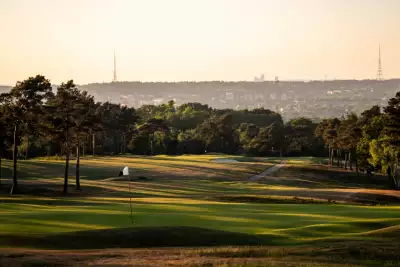
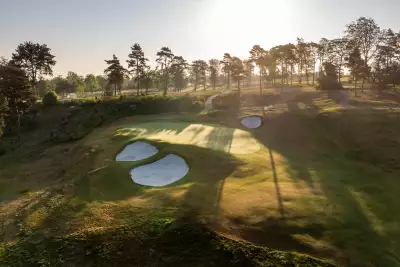
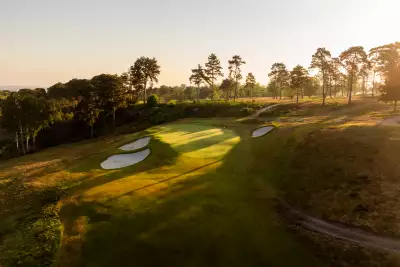
Measuring 6,300 yards with a par of 69, its dramatic layout winds through mature woodland and clambers across rugged, ravine-bisected ground. Among the standout holes, the breathtaking par-five 12th hole is a mid-round highlight that plunges steeply downhill just as your drive reaches its apex and descends along stepped plateaus of fairway before bottoming out at the base of the valley. From there, the rumpled fairway turns upward towards a raised green with multiple pin positions across its broad undulating surface. It was among the first of the holes to be restored on the course and is the clearest indication of just how high this sleeping giant can fly.
From hilltop tees such as the 14th, The Shard, Canary Wharf and the Gherkin provide a rich contrast to the heathland setting; a reminder that you're barely nine miles from the centre of London. Few courses within the M25 carry this depth of architectural pedigree – and, with restorations due to be complete by the end of 2027, fewer still are improving at such a tremendous rate.
The Buckinghamshire
The Buckinghamshire
The Buckinghamshire
The Buckinghamshire
The Buckinghamshire
The Buckinghamshire
The Buckinghamshire
The Buckinghamshire
The Buckinghamshire
The Buckinghamshire
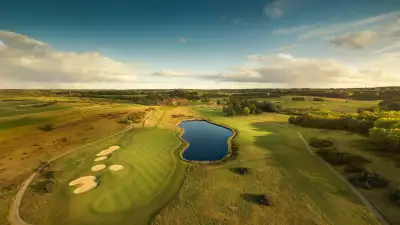
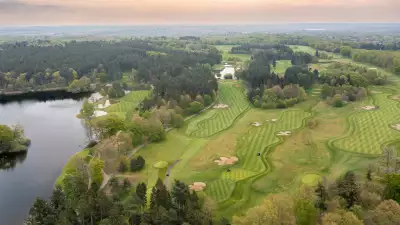
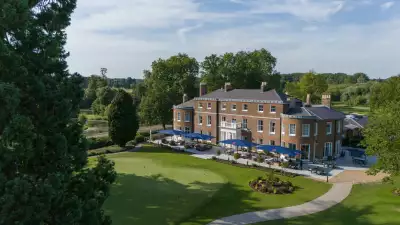
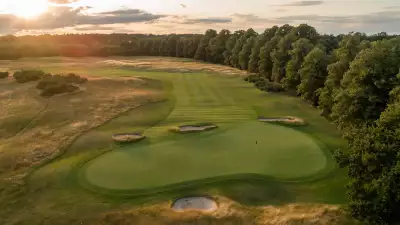
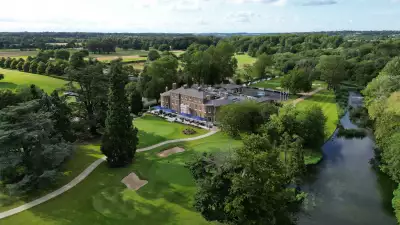
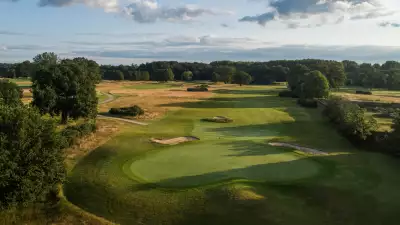
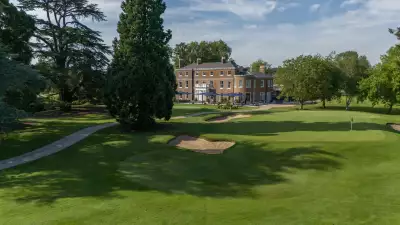
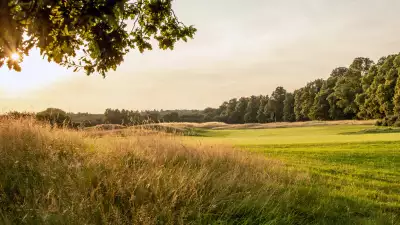
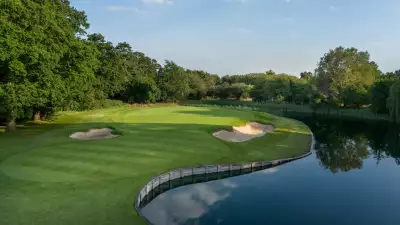
Pull off the M40 and within minutes you're in another world – mature woodland, an 18th-century mansion, and a course that sits just seven miles from Heathrow yet feels entirely removed from it. Designed by John Jacobs and opened in 1992, The Buckinghamshire occupies 226 acres of the Colne Valley, with the Rivers Misbourne and Colne threading through the layout to keep things honest at every turn.
Widely regarded as one of the most influential golf coaches of the modern era as well as a former Ryder Cup captain, Jacobs approached course design with the same emphasis on thoughtful shot-making that characterised his teaching.
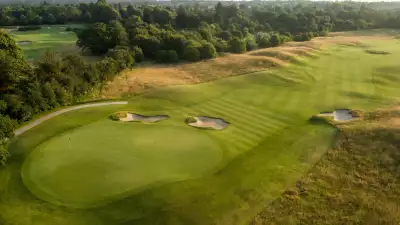
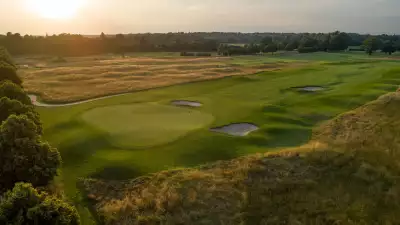
Measuring 6,880 yards from the back tees, the course places a premium on positioning over power, with water in play on five of the opening ten holes and a closing trio that punishes misplaced ambition. Greens run between 40 and 45 yards in length, meaning pin positions can transform a hole's character entirely – a subtle design feature that rewards repeat visits and keeps members on their toes.
Since the Arora Group acquired the property in 2018, investment has been substantial: a £10 million clubhouse renovation completed in 2024, followed by a further £3 million committed to the course, including a full bunker redesign and extensive drainage improvements. The result is a private members' club that finally matches its setting.
Hadley Wood
Hadley Wood Golf Club / Sav Kamil

Hadley Wood Golf Club / Sav Kamil
Hadley Wood Golf Club / Sav Kamil
Hadley Wood Golf Club / Sav Kamil
Hadley Wood Golf Club / Sav Kamil
Hadley Wood Golf Club / Sav Kamil
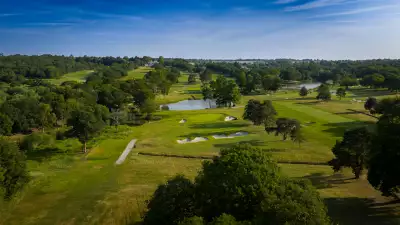
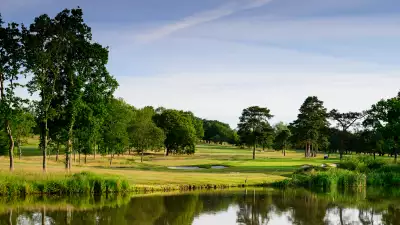
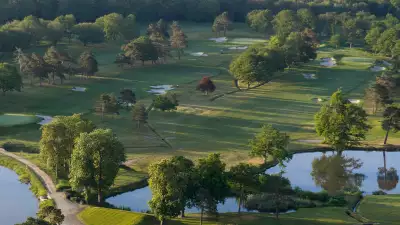
Twelve miles north of central London in a leafy corner of Enfield lies a golf course with a far weightier story to tell than its suburban setting suggests. Hadley Wood is the only Dr Alister MacKenzie design still standing in the whole of southern England – a 265-acre parkland property laid across ground that once belonged to Henry V's hunting parties.
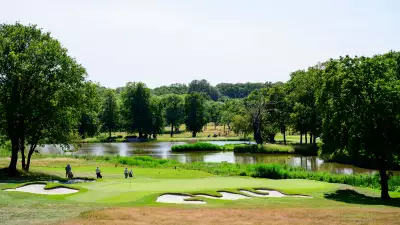
Opening its doors on 27 May 1922, a full decade ahead of MacKenzie's seminal work at Augusta National, the layout features many of the legendary architect’s preferred motifs, including raised, plateau-perched greens that offer multiple drastically different pin locations, undulating putting surfaces, and bold, theatrical bunkering.
Like many Golden Age courses, the ravages of time and lasting tree encroachment have seen some of Hadley Wood’s finest features softened or neglected, but a major restoration project completed in October 2025 by Clyde Johnson (former right-hand man to Tom Doak) and Brett Hochstein has coaxed out the Doctor’s original intentions once more. At the heart of the improvements was a complete overhaul of the bunkering, imbuing them with more artistry and closer interaction with the putting surfaces. Fairway traps have been repositioned to better capture errant shots, while green expansions, new tee sites, and tree thinning have left the course an increasingly compelling pilgrimage for architecture obsessives and London golfers alike.
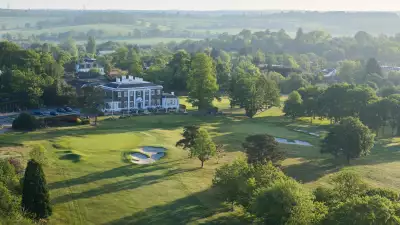
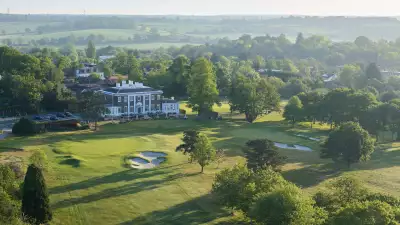
Standing sentry behind the 11th and 18th greens, the Grade II listed clubhouse, a Georgian mansion dating back to 1781, completes one of the capital's most distinctive golfing settings.
Despite its secluded location, Hadley Wood is unusually accessible – around 30 minutes from central London by train – offering a pleasing combination of provenance, architecture and convenience that is difficult to match.
The Grove

The Grove
The Grove
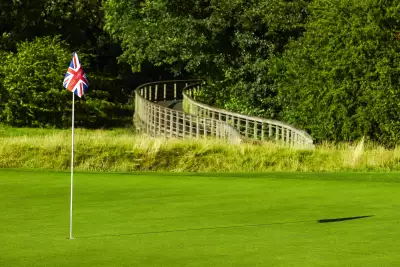
The Grove
Set in 300 acres of rolling Hertfordshire countryside 18 miles from central London, The Grove resides in the former home of the Earls of Clarendon and encompasses a five-star hotel, spa and one of the most celebrated resort courses in the country.
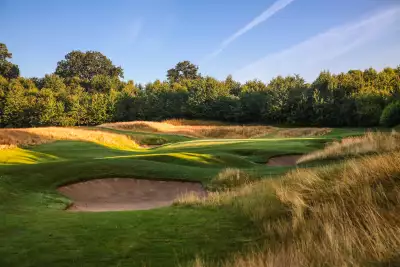
The routing here is a quintessentially English affair that languidly takes in parkland, several water features and streams, and clambers up and down gentle changes in elevation. However, its quaint bucolic setting belies its difficulty, with some of the most demanding green complexes you’ll find anywhere alongside firm and fast putting surfaces.
The par 72 championship course opened in 2003, designed by Kyle Phillips, the architect behind Kingsbarns and Yas Links. From the tips, it stretches to a tournament-worthy 7,152 yards and its conditioning is one of the best in Greater London, which helps explain why the course hosted the 2006 World Golf Championship, won by Tiger Woods, who famously eagled the ninth hole in three of his four rounds. A decade later, it also staged the 2016 British Masters won by Alex Noren.
The latest addition raises the golf offering further still: The Kingdom at The Grove – a state-of-the-art golf academy and custom-fitting centre built in partnership with TaylorMade – opened in May 2026. The purpose-built facility spans three fitting bays equipped with tour-level technology including TrackMan 4, Foresight GC Quad Max, GEARS motion capture and Quintic putting analysis, alongside a redesigned 320-yard grass driving range and a 4,000 sq metre short game area.
It’s arguably Britain’s most advanced fitting facility – the first of its kind outside the United States. So proficient are the on-site technicians, should you get fit for a new club or two in the morning, they’ll be custom built and ready to take out onto the golf course by the afternoon – sufficient time to take in the Sequoia Spa or the Walled Garden (featuring a heated outdoor pool and beach, of all things).
The Grove's position at the very top end of British resort golf is long established, and recent investment suggests it has no intention of standing still.
Royal Wimbledon
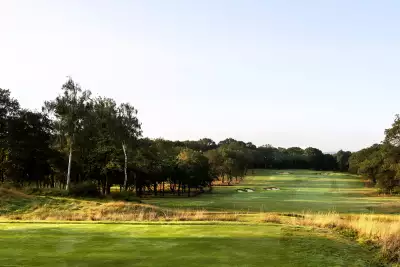
Royal Wimbledon Golf Club
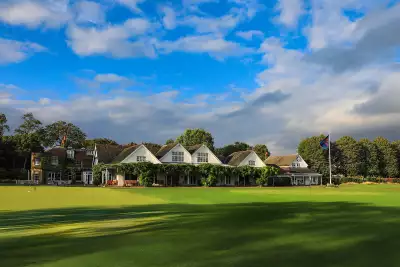
Royal Wimbledon Golf Club
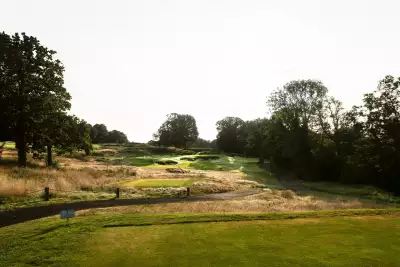
Royal Wimbledon Golf Club
Royal Wimbledon Golf Club
Royal Wimbledon Golf Club
Royal Wimbledon Golf Club
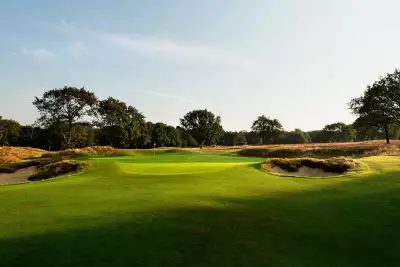
The SW19 postcode may be a little more famous for a different ball sport, but golf has been formally played on Wimbledon Common since 1865 – three years before the founding of the All England Lawn Tennis and Croquet Club – when the London Scottish Rifle Volunteers played across a seven-hole routing. Queen Victoria conferred the Royal prefix in 1882, on the basis of the patronage of her son Edward, Prince of Wales, and Royal Wimbledon Golf Club was born.
The club spent its early decades sharing Tom Dunn's layout with neighbours London Scottish Golf Club. However, mounting congestion alongside friction between military and civilian members eventually forced a decisive move away from the Common. In 1907, Royal Wimbledon began construction of its own course, designed by Willie Park Jr, on 240 acres of nearby farmland.
The result drew high praise from the greatest golf writer of the age, Bernard Darwin, who wrote that “as soon as we are on it all signs of men, houses and omnibuses, and other symptoms of a busy suburb disappear as if by magic, and a prospect of glorious solitary woods stretches away into the distance in every direction." Whether the same is true today, we’ll allow you to debate, but one thing that is for certain is that the course you’ll find is not the same as that which Darwin enjoyed in 1910.
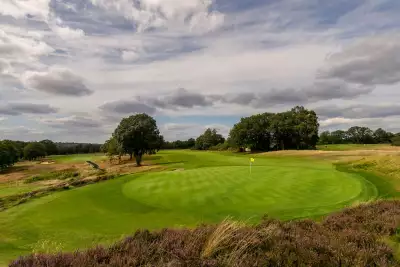
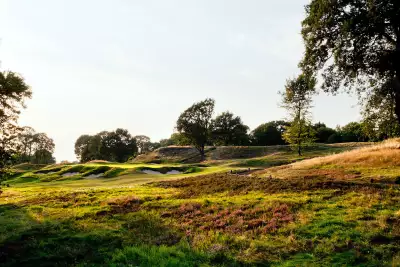
Harry Colt, himself a member of the club, undertook a radical redesign in 1924 that remains the foundation of the course today. The narrow tree-lined fairways, trimmed with heather and gorse, make for a tricky off-the-tee challenge in spite of its peaceful woodland setting, while undulating terrain and testing greens also create volatility in scoring.
Recent phases of a course development plan – completed by Tom MacKenzie in 2018 and 2020 – have seen bunkers refurbished, trees cleared to promote heather regeneration, and holes across both nines reconfigured.
Access is deliberately limited, with visitors accepted only on weekdays by prior application. The endeavour, however, is invariably worthwhile to play one of the most historic golf courses in England.
London Golf Club
London Golf Club
London Golf Club
London Golf Club
London Golf Club
London Golf Club
London Golf Club
London Golf Club
London Golf Club
London Golf Club
London Golf Club
London Golf Club
London Golf Club
London Golf Club
London Golf Club
London Golf Club

London Golf Club
London Golf Club

London Golf Club
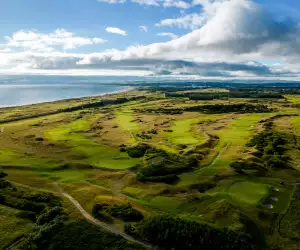
Sitting just a few miles beyond the M25 corridor, neighbouring Brands Hatch race circuit in the Kent countryside, London Golf Club slides under our criteria on the strength of its name and its lofty ambition.
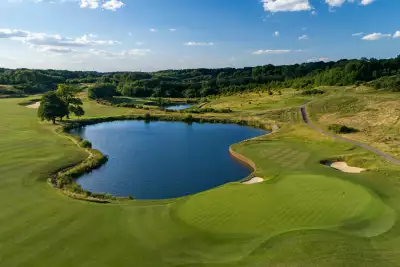
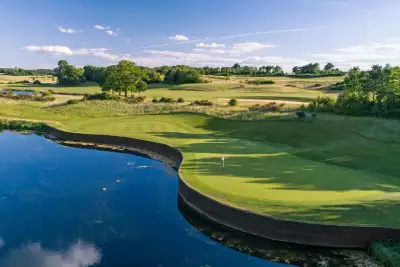
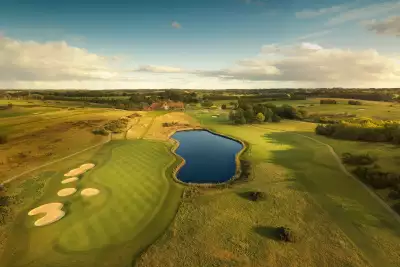
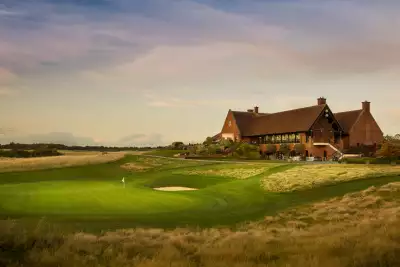
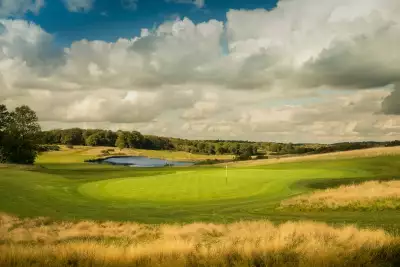
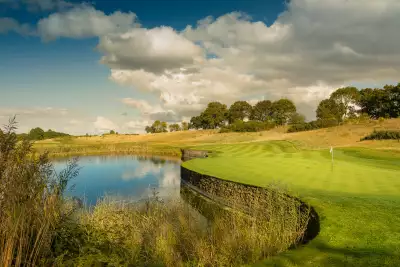
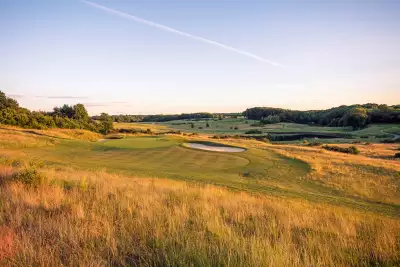
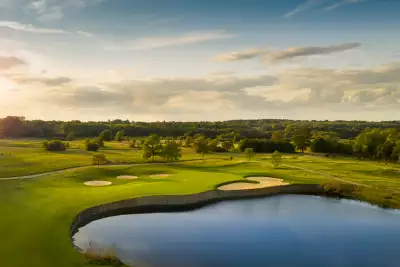
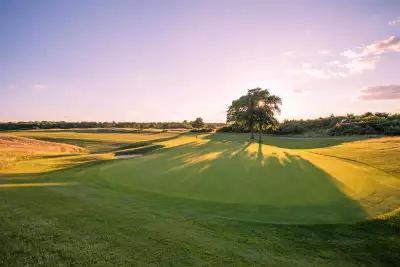
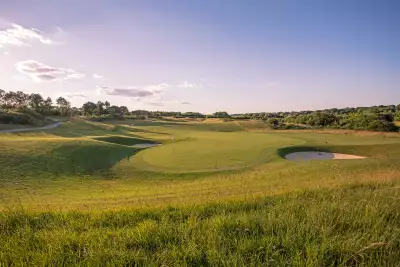
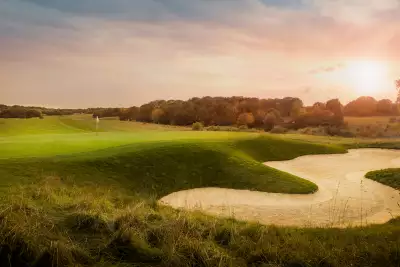
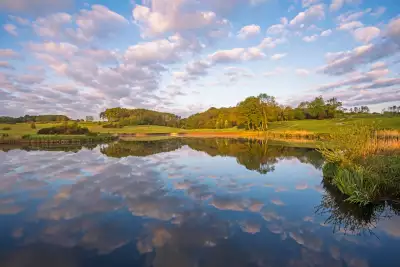
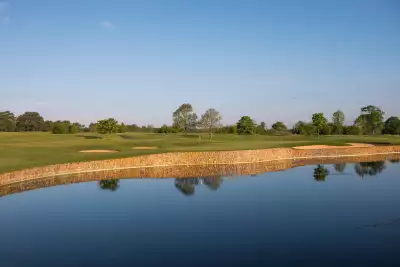
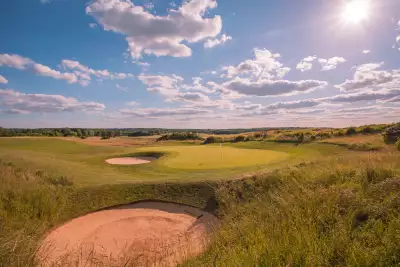
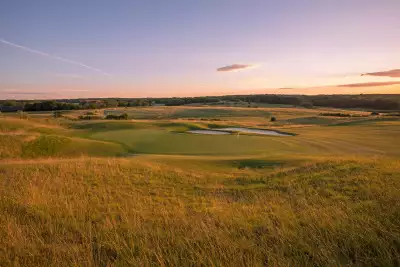
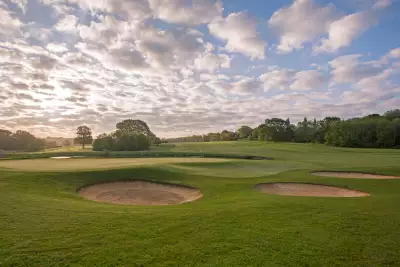
Officially unveiled in 1994, London Golf Club offers 36 holes split across two courses of contrasting character. The Heritage course, a Jack Nicklaus signature design exclusively reserved for members and their guests, plays through generous fairways guarded by vast bunkers, with water introduced sparingly but decisively – nowhere more so than at the short par-four 13th, where an iron off the tee sets up an approach across the lake to a green that slopes away from the player. The International course, designed by Ron Kirby under the Nicklaus Design banner, is accessible to the public and takes on a more open, downland character, but also has a strong tournament pedigree.
Japanese property magnate Masao Nagahara originally conceived London Golf Club as a venue capable of staging the game's biggest events, and its tournament history has steadily vindicated that ambition. The Heritage course held the European Open in both 2008 and 2009, while the International has staged the Volvo World Match Play Championship.
The next chapter is even more ambitious. London Golf Club has entered the bidding process for the Ryder Cup, eyeing the 2035 edition, and its leadership is candid that the credentials are largely in place already. The centrepiece of that push is The London Project, a substantial expansion now approved for construction that will bring a 240-bedroom hotel and spa, the restoration of the Grade II-listed South Ash Manor as a wedding venue, and a new Turf Academy, including community leisure facilities, to the estate.
It marks a deliberate evolution from golf club to fully fledged sporting destination, though its golfing merits alone already justify its inclusion here.
Further afield…
Bearwood Lakes
Bearwood Lakes / Sportography.tv
Bearwood Lakes / Sportography.tv
Bearwood Lakes / Sportography.tv
Bearwood Lakes / Sportography.tv
Bearwood Lakes / Sportography.tv
Bearwood Lakes / Sportography.tv
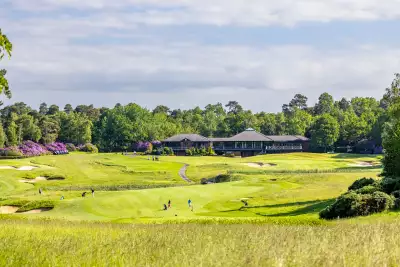
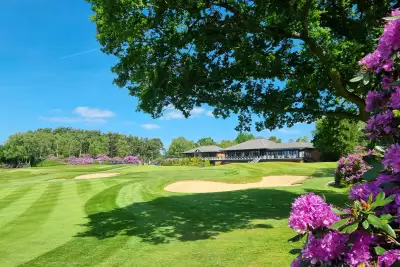
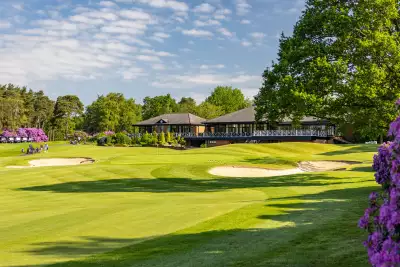
Although Bearwood Lakes resides beyond the geographical limits of this guide, its standing among the finest modern courses within easy reach of London makes it a worthy inclusion.
Berkshire's golfing map was largely settled a century before Bearwood Lakes arrived on the scene, with the prestige addresses of Sunningdale, Wentworth and The Berkshire having long since claimed the county's reputation for fine parkland golf. When Martin Hawtree's design opened in 1996, it had no right to compete with that company on name alone, and yet within its first year it was being talked about as one of the best new courses built in Britain in a generation.
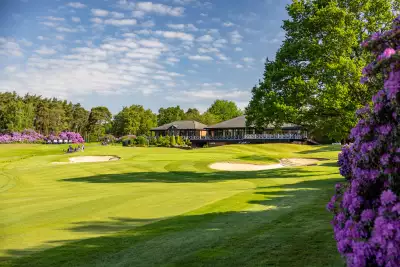
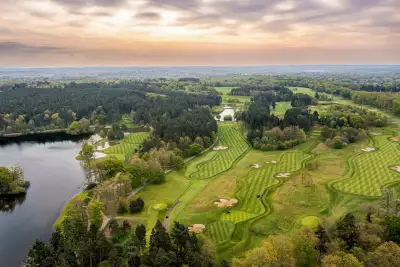
Set across more than 200 acres of parkland once part of the Bearwood Estate, Hawtree had the good fortune of exceptional land to work with, and his routing made the most of it. Its defining passage comes across a run of six holes threaded around more than 50 acres of natural lake, where the water dictates strategy rather than simply decorating the scenery.
The par-four 13th is the sternest examination, demanding a long carry from an elevated tee across the corner of the lake to a fairway that seems to tighten the longer you study it, before a green set hard against the water. It offers the kind of strategic drama that has ensured its place as a challenging Open Qualifying venue for the last three years.
The club's standing as one of the country's more exclusive addresses has done nothing to slow its investment. Indeed, Women's British Open champion Georgia Hall has rated the greens among the finest she has encountered anywhere in the UK. Since 2024, the locker rooms and clubhouse have been refreshed, the signature 14th has gained a new tee, and a full bunker renovation has just been completed. The driving range also gained TrackMan this spring.
Access remains by member invitation or organised event only – a policy that suits a club whose reputation has always spoken for itself.