Before visiting Patek Philippe’s manufacture in Plan-les-Ouates, a suburban pocket on Geneva’s southern edge, I hadn’t quite appreciated its epic proportions. The legendary brand moved its production here in 1996, becoming the first watchmaker to settle in what is now one of Switzerland’s most important horological hubs.
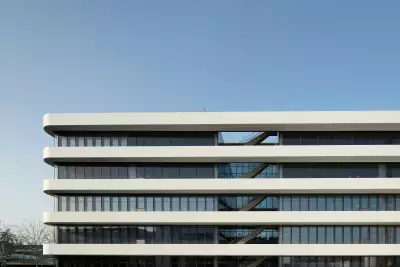
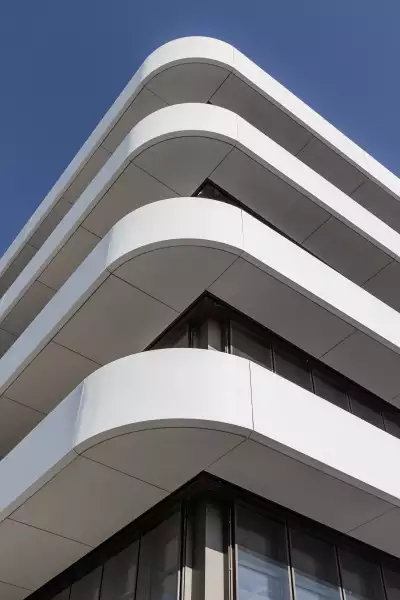
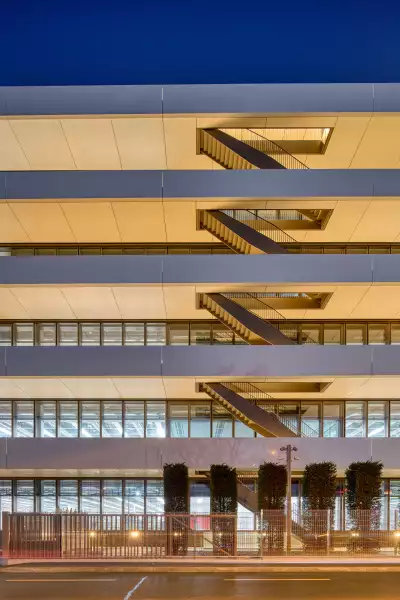
Nearly 30 years later, the area is shared by some of the world’s most desirable watch brands, including the likes of Rolex, Vacheron Constantin and Piaget. Patek’s own campus, meanwhile, expanded in 2020 to include PP6, a ten-floor building home to more than 2,000 people. I had the honour of visiting PP6 earlier this year and was awestruck by the whole operation.
But first, for those unfamiliar, a little history. Patek Philippe was founded in 1839, when the Polish nobleman Antoine Norbert de Patek established Patek, Czapek & Cie in Geneva alongside fellow watchmaker François Czapek.
In 1844, while visiting the Industrial Exposition in Paris, Patek met the French watchmaker Jean Adrien Philippe, inventor of a keyless winding and setting system. Czapek left the company in 1845 with Philippe joining Patek in Geneva the same year. The company was later renamed Patek, Philippe & Cie in 1851.
More than 185 years on, Patek Philippe remains the last family-owned independent watch manufacturer in Geneva. It’s been in the hands of the Stern family since 1932 – and its current president is fourth-generation Thierry Stern.
Today, Patek Philippe produces around 75,000 watches a year. To make them, the brand requires a hefty 16.5 million components annually, spanning more than 10,000 different parts. It also operates more than 400 production machines and holds a portfolio in excess of 200 patents.
When it comes to its sought-after watches, Patek has managed to cover considerable technical ground without ever making its collection feel sprawling or unwieldy. It currently has around 150 watch references, from the beloved Calatrava and the porthole-inspired Nautilus to the more recent Cubitus, with more than 50 movement references built on 19 calibres.
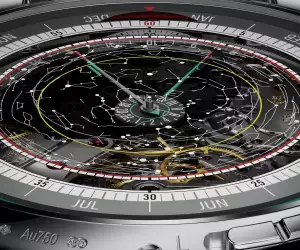
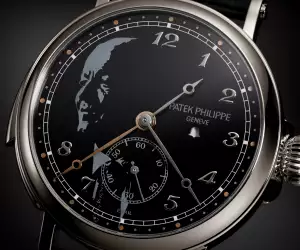
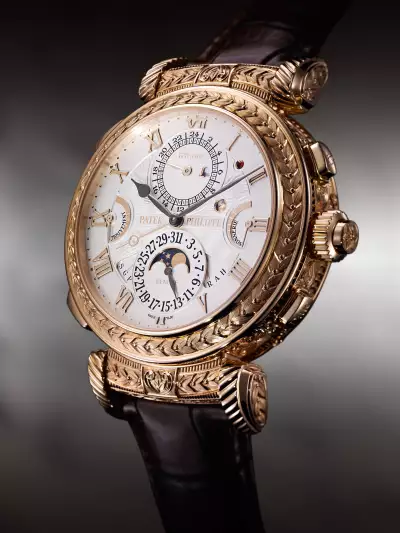
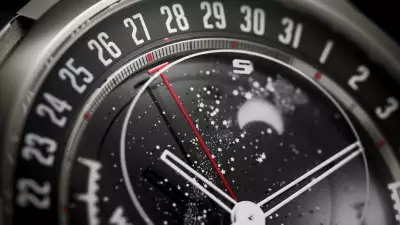
The Grandmaster Chime [pictured below], meanwhile, launched as the Ref. 5175 in 2014 for the brand’s 175th anniversary and later added to the regular collection as the Ref. 6300, is the most complicated wristwatch in the current collection, with 20 complications, 1,366 parts, five strikework functions and a patented reversing mechanism that allows it to be worn with either dial facing up.
The day before visiting Plan-les-Ouates, we had also spent time at the Patek Philippe Museum in the heart of Geneva. Established by the late Philippe Stern, it houses a collection of nearly 2,500 watches, musical automata and miniature enamels, dating from the 16th century to the present day, alongside a horological library of more than 8,000 works.
Armed with this knowledge, it’s still hard to grasp the size of the brand’s watchmaking operation until you are standing inside it. Costing a sizeable CHF 600m (around £560m), PP6 sits on what was formerly the manufacture’s car park, and spans 189 metres in length, descending four floors underground.
On our tour, we explored much of the building, floor by floor, with each department dedicated to a different stage of production. In the bridge-making department, we were invited to try our hand at some of the finishing techniques Patek Philippe has fine-tuned over generations, including perlage, anglage and circular graining. The fourth floor, meanwhile, spotlights decorative arts like engraving, marquetry and guilloché, which Patek collectively terms ‘Rare Handcrafts’.
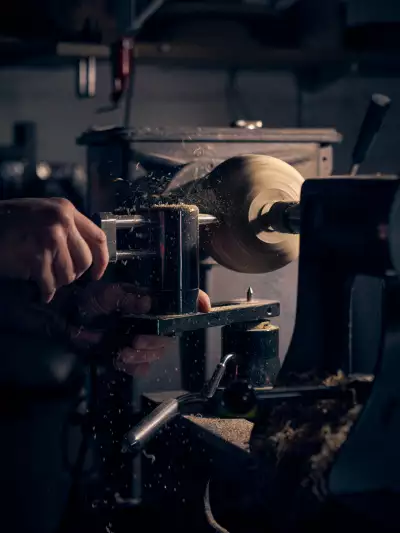
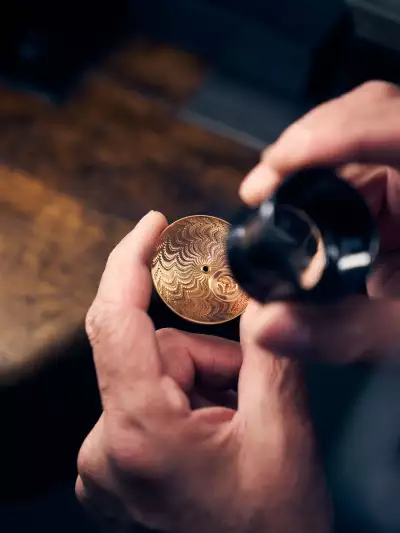
Many of these storied craft techniques are put into practice in PP6’s Haute Horlogerie department, headed by Didier Faoro. “The Haute Horlogerie department is like a manufacture inside the manufacture dedicated to producing the most complex Patek timepieces from A to Z in an autonomous mode,” says Faoro. “This includes all the production and watchmaking steps – the movement parts (except the wheels coming from the regular production), assembling, setting, and final control. It even includes the after-sale service for vintage Haute Horlogerie watches from 1839–1989, as well as modern pieces.”
We also spent time with one of the manufacture’s restoration watchmakers, who showed us previous examples of pieces he had restored alongside the timepiece he was currently working on. Its movement had been disassembled to its smallest elements, ready to be cleaned and rebuilt by hand. It’s one thing to know that Patek restores its historic watches, but to see one laid out in pieces in front of you is truly a watch obsessive’s dream.
To finish, we peeked into the archives, a darkened, library-like space housing the brand’s ledgers from 1839 to the present day. Inside, the serial number of each case is recorded alongside the serial number of the movement housed inside it, which has been the same process since the 1880s. Shelved behind glass, the volumes form a near two-century-long record of Patek’s watchmaking, documenting pieces owned by collectors, heads of state and royalty from across the globe.
By the end of the tour, having polished a bridge, peered into movements made nearly 200 years ago, and stood in a room containing the serial number of every watch Patek has ever produced, the privilege of this visit was not lost on me.
See more at patek.com