The shift towards sustainable heating is influencing the design and specification of luxury homes, with environmentally conscious options such as bioethanol fireplaces now frequently considered for their efficiency and flexibility.
This article examines what affluent homeowners and their designers look for in modern heating, the aesthetic and functional impact of alternatives like bioethanol models, and the factors driving adoption in upscale residential projects.
Luxury homes are increasingly defined by sustainability, where environmental credentials are evaluated alongside design, comfort, and long-term value.
Many affluent homeowners now seek heating solutions that conserve resources, allow for flexible installation, and complement a property’s architecture.
Whether intended for primary warmth or to create subtle ambience, these systems aim to balance comfort with environmental responsibility.
Recent innovations include clean-burning, design-focused features that attract attention among those specifying luxury interiors, including projects that reference bioethanol-fireplace.co.uk.
What luxury owners want from modern heating
Homeowners at the top end of the market expect more than reliable warmth. Discreet heating units, clean operation, and the flexibility to position features away from fixed flues are now priorities. As open-plan layouts and glass-walled rooms become more popular, demand increases for systems that provide heat without disrupting architectural lines or requiring significant structural work. There is a clear movement away from fossil fuel systems, with more properties incorporating renewable or lower-carbon sources in combination with statement features.
Adding ambience with functional elegance
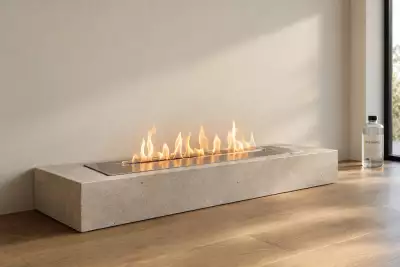
Modern heating is not only about raising the temperature. Fireplaces and feature fires are valued for the atmosphere and sense of sanctuary they bring, making them important elements in luxury interiors. Secondary heating, whether as inset features, room dividers, or suspended installations, can enhance living spaces without the need for extensive building work. For many architects and designers, options such as bioethanol fires deliver both visual impact and comfort, with minimal ongoing maintenance.
Alternatives shaping high-end interiors
The demand for sustainable, design-led fireplaces has prompted a range of alternatives to the traditional log or gas fire. Bioethanol models are often chosen for flueless installation, providing more creative freedom and reducing technical constraints, particularly in apartments and retrofitted buildings. Other options becoming more common include heat pumps combined with underfloor systems, radiant panels that integrate with ceilings or walls, and electric fires designed for modern interiors.
Architectural and technical considerations
Sustainable heating options require careful planning, especially in open zones or when modernising period properties. It is important to consider ventilation, room proportions, safety features, and material compatibility. The heat output of alternative systems often differs from that of conventional fireplaces, so it is necessary to manage expectations around warmth versus ambience. Running costs and the ability to upgrade in the future are also important factors for property owners.
Anticipating future directions
As efficiency requirements and heating technologies continue to change, further developments in burner designs, energy management, and statement feature fires are expected. The focus on combining environmental awareness with striking aesthetics is increasingly shaping the luxury housing market, showing that comfort and ecological responsibility can coexist.