Brought to you by

Modern taste has moved away from display and towards intent. It reflects discernment, confidence and an understanding of proportion.
In recent years, there has been a noticeable shift toward understatement as a defining feature of modern taste. Across fashion, interiors and personal style, restraint has become a signal of refinement.
This movement is not driven by minimalism alone. Rather, it is rooted in conviction. Choices feel deliberate rather than decorative. Instead of competing for attention, design elements work together to create coherence. The result is an aesthetic that feels composed and assured.
In business and lifestyle culture, this approach resonates strongly. As success becomes less about outward display and more about sustainability and longevity, visual language has followed suit. Understated design communicates confidence without needing validation.
This can be seen in how people dress, furnish their homes and curate their surroundings. Clean lines, familiar shapes and neutral palettes dominate, allowing quality and proportion to take centre stage. These elements age well and adapt easily, making them well suited to evolving lifestyles.
Understated design also reflects a broader cultural maturity. When taste is well developed, there is less need to impress. Decisions are guided by what feels appropriate rather than what attracts attention. This sense of ease is increasingly valued.
Within discussions of classic form, references to an oval solitaire engagement ring sometimes surface as examples of how restraint continues to hold appeal. The interest lies in simplicity of form and balance, not just symbolism. Such references highlight how familiar shapes endure when excess is removed from the equation.

What makes understated design so effective is its adaptability. It works across settings and contexts, supporting rather than dominating. This versatility allows personal style to remain consistent even as circumstances change.
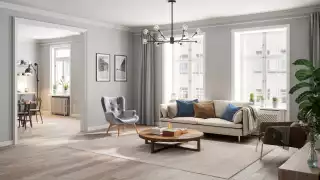
In interiors, understated choices create spaces that feel calm and purposeful. Rather than overwhelming the senses, they offer clarity. Each element has room to breathe, contributing to a cohesive whole. This sense of order often translates into a feeling of comfort.
The same principles apply to personal presentation. Clothing and accessories chosen with restraint tend to feel timeless. They transition easily between professional and social environments, reinforcing a sense of continuity.
Understated design also prioritises longevity. When trends are stripped away, what remains must stand on its own. Materials, proportions and craftsmanship become more important than novelty. This focus encourages thoughtful decision making.
From a cultural perspective, this shift reflects changing values. There is growing awareness of the impact of consumption, alongside a desire for authenticity. Understated choices feel more aligned with these priorities, offering satisfaction without excess.
In professional environments, this aesthetic carries particular weight. Understatement can signal competence and confidence. It suggests focus and self assurance, qualities that resonate strongly in business settings.
This does not mean individuality is lost. On the contrary, restraint allows personal preferences to emerge more clearly. When noise is reduced, subtle differences become meaningful. Taste becomes nuanced rather than loud.
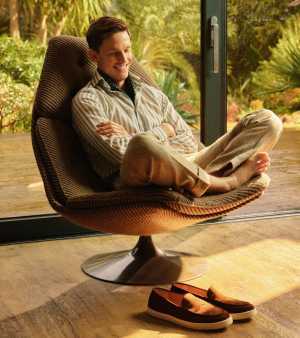
Keeping colour and texture simple and sophisticated with Huntsman's RTW Collection 2025
Understated design also encourages consistency. Instead of constantly updating, people build around a core set of preferences. This creates a sense of identity that feels stable rather than reactive.
In a fast paced world, this stability is appealing. It offers a counterbalance to constant change, providing a visual and emotional anchor. Understated design supports this by remaining relevant without requiring reinvention.
There is also a psychological aspect to this preference. Calm environments and coherent style choices can reduce decision fatigue. When surroundings are harmonious, attention can be directed elsewhere.
As work and life increasingly overlap, this clarity becomes valuable. Spaces and styles that support focus and ease enhance daily experience. Understatement plays a key role in achieving this balance.
In fashion and lifestyle media, this shift is evident in editorial direction. Imagery is cleaner, narratives are quieter and emphasis is placed on form rather than excess. The message is subtle but consistent.
When noise is reduced, subtle differences become meaningful
This evolution suggests that taste is becoming more inwardly defined. Validation comes from personal alignment rather than external approval. Understated design supports this by allowing choices to feel authentic.
Ultimately, restraint does not limit expression. It refines it. By focusing on proportion, balance and longevity, understated design communicates confidence and clarity.
As modern lifestyles continue to evolve, it is likely that this approach will remain influential. Understatement offers flexibility, resilience and enduring appeal.
In a culture that often equates visibility with value, choosing restraint can feel quietly powerful. It reflects a confidence rooted in understanding rather than display.
And perhaps that is why understated design has become such a clear marker of modern taste. It speaks without shouting, and in doing so, says more.