A banana and a handful of dates can do more for a three-hour training day than a cabinet full of supplements, as long as a person eats them at the right moment.
Carbohydrate is the fuel that long sessions burn through, and the snacks that supply it are simple, cheap, and already in most kitchens.
The harder part is choosing the right type for the right moment, since a snack that works beautifully an hour before a session can wreck the stomach in the middle of one. The best carb snack is the one matched to the timing and the work ahead.
The Job of a Training Snack
A training snack has one main task during a long day, to keep carbohydrate flowing so the muscles and brain do not run short. The body stores only a couple of hours of hard-effort fuel as glycogen, and a long session can outlast that supply. Snacks bridge the gap by raising blood sugar before it falls far enough to slow the pace.
The amounts are modest but real. For sessions over an hour, most athletes do well on 30 to 60 grams of carbohydrate each hour, and very long days can push that toward 90. That translates to ordinary portions. A large banana has about 31 grams and a small box of raisins around 34. The numbers matter less than the habit of eating steadily through the day, because a small snack taken regularly does more than a big one taken once.
Fast Carbs and Slow Carbs
Carbohydrate snacks split roughly into fast and slow, and the difference is how quickly the sugar reaches the blood. High glycemic foods like white bread, sports chews, and ripe bananas release glucose quickly, which is what a working muscle wants mid-session. Low glycemic foods like oats and whole fruit release it slowly, giving a steadier supply that suits the hours before a session more than the middle of one.
Neither type is better in the abstract, and the right choice depends on when the snack is eaten. A slow-release breakfast holds blood sugar level through a morning of work, while a fast chew taken at the 90-minute mark delivers fuel the moment it is needed. Athletes get into trouble by reaching for the wrong speed at the wrong time, like a heavy, slow-digesting bar mid-run that sits in the stomach while the legs starve.
Snacks for the Hours Before
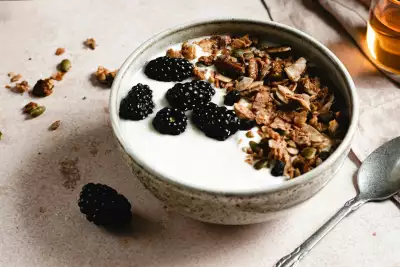
Good pre-workout nutrition starts 1 to 3 hours before the session and leans toward slower carbohydrates with a little protein. Oatmeal with fruit, a rice bowl, toast with honey, or yogurt with granola all sit well and release fuel gradually. The goal is to start the session with full glycogen and a calm stomach.
Fiber and fat are the variables to watch here. Both slow digestion, which helps hours ahead but causes cramping if eaten too close to hard effort. As the start time approaches, snacks should get smaller and lower in fiber, moving toward a banana or a slice of white toast in the final hour. The closer to go time, the more a snack should resemble fuel and the less it should resemble a meal.
Snacks for the Work Itself
Once the work starts, speed and digestibility outrank everything else, and the gut tolerance that endurance athletes build becomes the limiting factor. Blood flow leaves the gut for the muscles during hard effort, so digestion slows and anything complex feels heavy and risks cramping. The snacks that survive this are simple, fast carbohydrates in small, frequent doses, easy to carry and easy to swallow on the move.
This is the slot for purpose-built options, from gels and sports chews to energy gummies that deliver a measured dose without a wrapper full of fat or fiber. Plenty of real foods work too, like a banana at a rest stop or dried mango on a long hike, but the gut gets pickier the harder the effort gets. The safe habit is to test every during-session snack in training first, because the workout is a bad place to learn that a food does not agree with a moving stomach.
Snacks for Recovery
The snack after a hard session has a different job, refilling the glycogen that the work drained, a priority emphasised across sport and exercise nutrition guidance. The 30 to 60 minutes after finishing is when muscles soak up carbohydrates fastest, so a fast snack in that window matters more than a perfect one an hour later. Pairing carbohydrate with some protein, in roughly a 3-to-1 ratio, speeds the repair and the refill at once.
Practical recovery snacks lean toward fast carbohydrates and easy digestion. Chocolate milk is the classic for a reason, meeting the carbohydrate and protein targets in one cheap bottle. A bowl of cereal with milk or fruit with yogurt does the same job. Speed and convenience win here, because the snack eaten in the first 30 minutes does more for recovery than a bigger, later meal.
Real Food and Sports Products
Sports products and real food each have a place in sport and exercise fueling, and the choice is more practical than moral. Gels and drink mixes are precise and engineered to digest fast under effort, which makes them hard to beat in the middle of a hard session. They cost more per gram of carbohydrate, though, and can grow monotonous on a long day.
Real food is cheaper and easier on the palate across hours of eating, and it works well before and after a session and during easier efforts. The catch is that whole foods contain fiber and fat that can slow digestion at the worst moment. Many athletes settle on a mix, leaning on real food around the edges of a session and switching to engineered carbohydrate when the effort peaks and the gut needs the simplest possible fuel.
The Practical Pick
The temptation is to chase the most nutritious snack, the one with the tidiest label and the best macros. On a long training day, that instinct can backfire. The best carbohydrate snack is the one an athlete will actually carry and eat on schedule, even when that is a plain banana or a packet of chews. A perfectly balanced snack left in the bag because it was too much trouble fuels nothing. The athletes who fuel well are usually the ones who kept it simple enough to repeat, hour after hour, without thinking about it.