Attending a major sporting event is often remembered for much more than the final result. Supporters recall the atmosphere in the stands, conversations before kick-off, shared moments during the match and the wider experience surrounding the event itself.
Across the UK, sport hospitality has developed into an important part of major competitions, combining live sport with dining, entertainment and social spaces. While every event has its own traditions, many of Britain's best-known sporting occasions now offer experiences that extend beyond simply watching the action.
The evolution of premium sport hospitality
Events such as The Cheltenham Festival, Wimbledon and Royal Ascot have long offered hospitality areas alongside general admission. These spaces are designed to provide additional services, including restaurants, lounges and opportunities for guests to meet before and after competitions.
Research into the economic impact of the Cheltenham Festival has shown the importance of hospitality packages within the wider visitor economy, illustrating how major sporting events contribute not only through ticket sales but also through accommodation, tourism and associated services.
Although the sporting contest remains the main attraction, hospitality has become an increasingly significant component of the overall event experience.
Social traditions around sporting events
British sporting occasions have traditionally brought people together in shared social settings. Race meetings, tennis championships, golf tournaments and football fixtures all create opportunities for supporters to meet friends, colleagues and family members before and after competitions.
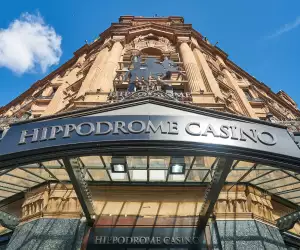
Private members' clubs and hospitality venues have historically formed part of this wider social landscape, particularly in cities such as London, where sporting and cultural events have often attracted similar audiences over many generations.
These traditions help explain why hospitality continues to play an important role alongside live sport at many major events today.
The digital extension of hospitality experiences
Advances in live broadcasting, streaming technology and real-time production have influenced many forms of digital entertainment over recent years. Features such as professional presenters, live video feeds and studio-based productions are now used across a wide range of digital platforms.
This includes some online casino platforms, where live studio tables and professional hosts form part of the presentation of certain games. These production features relate to the way games are presented and do not affect their rules, mathematical structure or the probabilities associated with their outcomes.
The adoption of these production techniques reflects broader developments in digital media rather than a replacement for traditional sporting venues or hospitality experiences.
Hospitality beyond the venue
Modern sport hospitality now extends beyond the stadium or racecourse itself. Official digital content, behind-the-scenes broadcasts, interviews, statistics, mobile applications and live coverage all contribute to the wider experience surrounding major sporting events.
These developments reflect broader changes in digital media, where audiences increasingly engage with sporting events across multiple platforms before, during and after competitions.
A tradition that continues to evolve
Britain's best-known sporting occasions remain closely associated with their atmosphere, traditions and hospitality. While technologies and digital services continue to evolve, the social dimension surrounding major sporting events has remained an important characteristic of British sport.
From racecourses and tennis championships to football stadiums and golf tournaments, hospitality continues to develop alongside live competition, reflecting changing expectations while remaining rooted in longstanding sporting traditions.