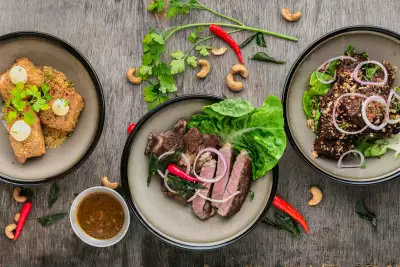
Protein has become a central topic in modern nutrition, widely recognised for its role in supporting muscle development, aiding weight management, and maintaining overall health. Despite its growing popularity, many Australians are still uncertain about how much protein they truly need on a daily basis.
Understanding the right intake is especially important when planning high protein meals, as individual needs can vary depending on factors such as age, activity level, and health goals. This guide offers a clear, evidence-based overview to help you determine the appropriate amount of protein for your lifestyle.
Understanding Protein and Its Role
Protein is an essential macronutrient responsible for building and repairing tissues, supporting immune function, and producing enzymes and hormones. It is made up of amino acids, some of which the body cannot produce on its own and must be obtained through diet.
In Australia, protein is readily available through foods such as lean meats, fish, eggs, dairy, legumes, nuts, and whole grains. The challenge is not access, but understanding the appropriate quantity.
Recommended Daily Intake
The general guideline for protein intake is based on body weight. For the average adult, the Recommended Dietary Intake (RDI) in Australia is approximately:
- 0.75 grams per kilogram of body weight for women
- 0.84 grams per kilogram of body weight for men
For example, a 70 kg adult male would require around 59 grams of protein per day.
However, these figures represent minimum requirements to prevent deficiency, not necessarily optimal intake for health or performance.
Adjusting for Lifestyle and Goals
Protein needs vary significantly depending on activity level, age, and health goals.
Sedentary individuals
May meet their needs with the standard RDI.
Active individuals
Those who engage in regular exercise, particularly strength training, may benefit from 1.2 to 2.0 grams per kilogram of body weight.
Older adults
Protein needs increase slightly with age to help maintain muscle mass and prevent frailty, often around 1.0 to 1.2 grams per kilogram.
Weight loss goals
Higher protein intake can support satiety and preserve lean muscle during calorie restriction.
Timing and Distribution Matters
Beyond total intake, how protein is distributed throughout the day also plays a role. Research suggests that spreading protein evenly across meals, rather than consuming most of it at dinner, can improve muscle protein synthesis.
A practical approach is aiming for 20–30 grams of protein per meal, depending on individual needs.
Common Misconceptions
One of the most persistent myths is that high protein intake is harmful to healthy kidneys. For individuals without pre-existing kidney conditions, there is no strong evidence to support this concern within recommended ranges.
Another misconception is that more protein always equals better results. Excess intake does not necessarily translate to additional benefits and may simply contribute extra calories.
Practical Tips for Australians
- Include a protein source in every meal, such as eggs at breakfast, lean meat or legumes at lunch, and fish or tofu at dinner.
- Choose whole food sources over highly processed protein supplements when possible.
- Consider convenience options like Greek yoghurt, canned tuna, or roasted chickpeas for snacks.
- Adjust intake based on your activity level and health goals rather than following generic trends.
Final Thoughts
Protein is a vital component of a balanced diet, but the “right” amount is not one-size-fits-all. By considering your body weight, lifestyle, and personal goals, you can determine an intake that supports your health without unnecessary excess.
For most Australians, a moderate, well-distributed protein intake, sourced from a variety of whole foods, will provide the best results for long-term wellbeing.