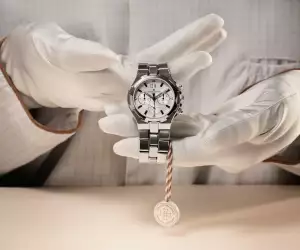
Founded in Geneva in 1755, Vacheron Constantin has long looked beyond Switzerland for inspiration. Its history is, in part, a story of movement: watches travelling across borders, ideas passing between cultures and the technical challenges presented by an increasingly connected world.
That history is the subject of Explore All Ways Possible, a heritage exhibition arriving at Vacheron Constantin’s Old Bond Street boutique this summer, where a selection of historical timepieces will trace the influence of geographical, cultural and technical exploration on the Maison’s work.
Held at 37 Old Bond Street from 20 July to 1 August, the exhibition brings together watches that reflect the various directions in which Vacheron Constantin’s creativity has travelled – from the commercial journeys that took François Constantin beyond Europe to the artistic influences and mechanical challenges encountered along the way.
Vacheron Constantin’s expansion took it towards the Middle East, Asia and America, with each destination offering its own demands and influences. The exhibition’s selection reflects that broad reach, from robust Overseas models conceived for travel to watches shaped by the aesthetics of the Far East, alongside pieces that speak to the changing demands of watchmaking in warmer climates, and the distinctive design language of the Roaring Twenties in America.
Yet exploration, in this context, is not simply a matter of distance. The exhibition considers what happens when watchmaking encounters other artistic traditions, architectural styles and forms of craftsmanship. Vacheron Constantin’s historical interest in tonneau and cushion-shaped cases, its engagement with Japanese maki-e (or “sprinkled picture”) lacquerwork and its use of influences ranging from haute couture to the art of antiquity all point to a broader understanding of creativity, one in which the boundaries between watchmaking and the wider decorative arts are deliberately porous.
Watches on display at Vacheron's 'Explore All Ways Possible'
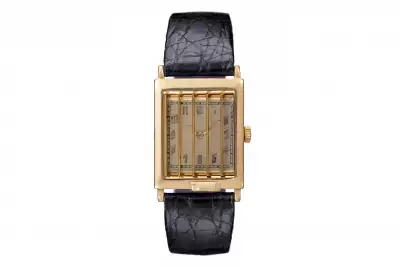
Vacheron Constantin "Shutter" wristwatch from 1929, 18K yellow gold, silvered grained dial, Calibre 9’’’94 VNP manual movement
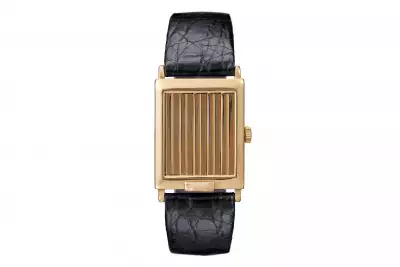
Vacheron Constantin "Shutter" wristwatch from 1929, 18K yellow gold, silvered grained dial, Calibre 9’’’94 VNP manual movement
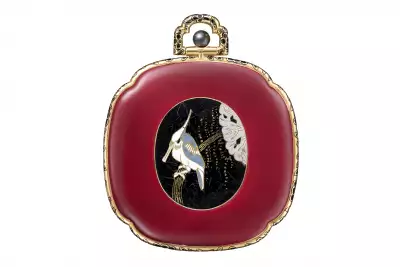
Vacheron Constantin pocket watch from 1923, 18K yellow gold, Chinese lacquer decoration, Calibre RA 16’’’ 162 Manual movement
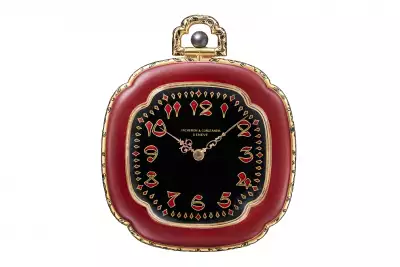
Vacheron Constantin pocket watch from 1923, 18K yellow gold, Chinese lacquer decoration, Calibre RA 16’’’ 162 Manual movement
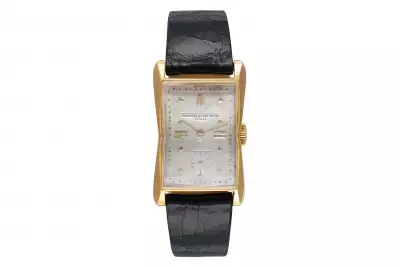
Vacheron Constantin wristwatch from 1951, 18K yellow gold, silvered dial, Calibre 11’’’ 435/3C, manual movement
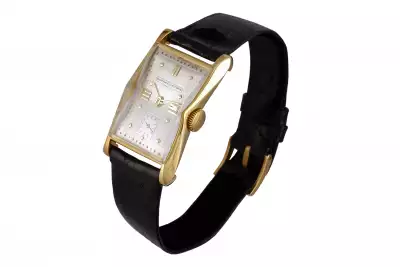
Vacheron Constantin wristwatch from 1951, 18K yellow gold, silvered dial, Calibre 11’’’ 435/3C, manual movement, 1951
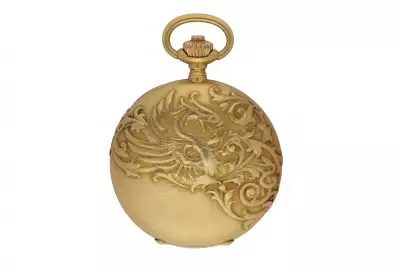
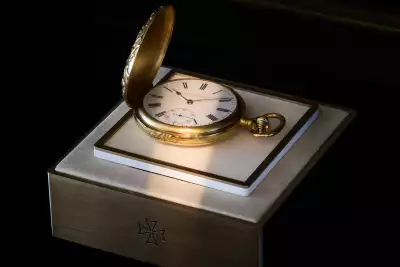
Vacheron Constantin Hunting-case pocket watch from 1904, 18K yellow gold, White enamel dial, decorated case, Calibre RA 20’’’ 75 manual movement
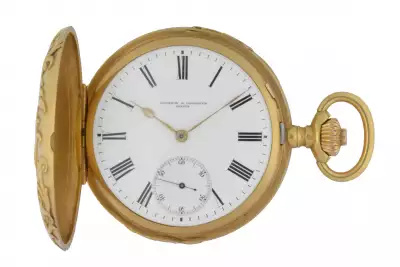
Vacheron Constantin Hunting-case pocket watch from 1904, 18K yellow gold, white enamel dial, decorated case, Calibre RA 20’’’ 75 manual movement
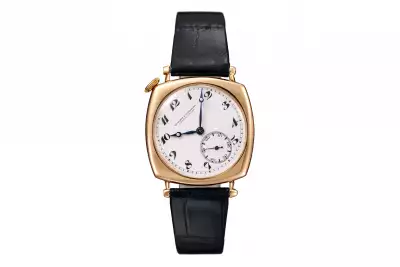
Vacheron Constantin "American 21" wristwatch from 1921 – 18K yellow gold, cushion-shaped case, white enamel dial, crown at 11 o'clock, Calibre RA 11’’’62, manual movement
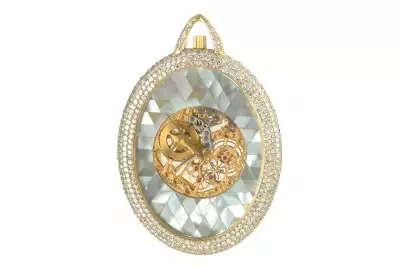
Vacheron Constantin pocket watch from 1978, 18K yellow gold, ultra-thin, skeleton, diamond-paved bezel and bow, Harlequin-style mother-of-pearl dial, Calibre 9’’’ 1003 SQ manual movement
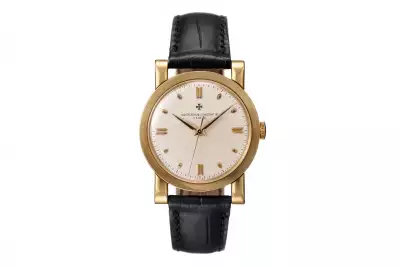
Vacheron Constantin "Chronomètre Royal" wristwatch from 1953, 18K yellow gold, silvered dial, Calibre 12’’’1/2- 1008 manual movement
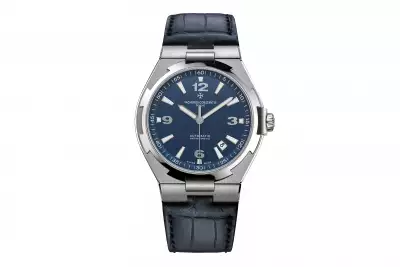
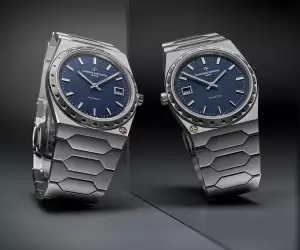
Vacheron Constantin Overseas II wristwatch from 2015, stainless steel, blue dial, Calibre 11’’’ ½ - 1226 self-winding movement
Among the watches on display are examples of the Maison’s experiments with unusual mechanisms, compact movements and solutions designed specifically for travel, including the shuttered “jalousie” watch and early world-time complications. There are also pieces that reflect Vacheron Constantin’s long interest in chronometry, including the Chronomètre Royal, a watch developed to combine precision with the legibility and robustness required for everyday use.
The result should be a more interesting proposition than a conventional display of historic watches. Rather than presenting the past as a fixed sequence of milestones, Explore All Ways Possible frames Vacheron Constantin’s history as an ongoing exchange between places, cultures and technical ideas – a Maison that knows no borders.
For anyone interested in the less visible forces that shape watch design, the exhibition offers a chance to see how travel and cultural exchange can leave their mark on something as ostensibly self-contained as a wristwatch.
'Explore All Ways Possible' runs from 20 July to 1 August at Vacheron Constantin, 37 Old Bond Street, London. For more information, see vacheron-constantin.com